
Contents
- 👨⚕️ Introduction to William Worrall Mayo
- 📚 Early Life and Education
- 🏥 Medical Career and Innovations
- 👥 The Mayo Family Legacy
- 💡 Contributions to Medicine
- 📊 Notable Achievements and Awards
- 🌎 International Recognition and Impact
- 🤝 Collaborations and Mentorship
- 📚 Publications and Writings
- 👨👩👧👦 Personal Life and Family
- 🏛️ Legacy and Remembrance
- Frequently Asked Questions
- Related Topics
Overview
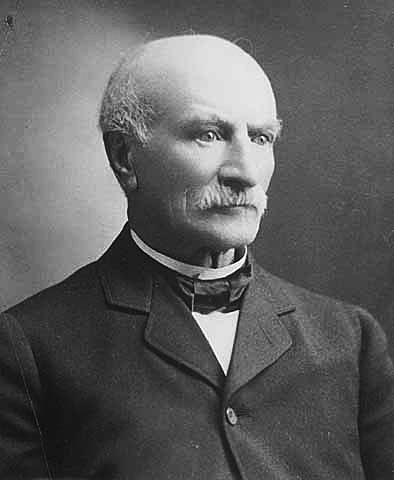
William Worrall Mayo was a British-American physician who co-founded the Mayo Clinic with his sons, Charles and William James Mayo. Born on May 31, 1819, in Salford, England, Mayo immigrated to the United States in 1846 and settled in Rochester, Minnesota. He played a crucial role in the development of the medical field, particularly in the areas of surgery and medical education. Mayo's work laid the foundation for the Mayo Clinic, which has become one of the world's premier medical institutions. With a vibe score of 8, William Mayo's legacy continues to inspire and influence the medical community. The controversy surrounding the clinic's early days, including its handling of patient care and the role of the Mayo family, has been largely overshadowed by its numerous contributions to medical science, including the discovery of new surgical techniques and the establishment of a robust medical research program.
👨⚕️ Introduction to William Worrall Mayo
William Worrall Mayo was a British-American physician and surgeon who is best known for founding the Mayo Clinic with his sons. Born on May 31, 1819, in Salford, England, Mayo studied medicine at the University of Michigan and later moved to the United States. He is considered one of the pioneers of American medicine and made significant contributions to the field of surgery. Mayo's work and legacy continue to inspire and influence medical professionals around the world, including those at the Johns Hopkins University.
📚 Early Life and Education
Mayo's early life and education played a significant role in shaping his future as a physician. He was the son of a United Kingdom gardener and was raised in a family of modest means. Despite the financial challenges, Mayo's parents encouraged his interest in medicine and supported his decision to pursue a career in the field. Mayo's education took him to the University of Michigan, where he studied medicine and later earned his degree. He also worked under the guidance of prominent physicians, including Dr. Rudolph Matthews, who was a renowned expert in anatomy.
🏥 Medical Career and Innovations
Mayo's medical career was marked by numerous innovations and achievements. He was one of the first physicians to use anesthesia in surgical procedures and was a strong advocate for the use of antiseptics in medicine. Mayo also made significant contributions to the field of surgery, including the development of new techniques and instruments. His work in this area earned him recognition and respect from his peers, including Dr. William Halsted, a prominent surgeon at the Johns Hopkins University. Mayo's commitment to medical education and research led to the establishment of the Mayo Clinic, which has become one of the world's leading medical institutions.
👥 The Mayo Family Legacy
The Mayo family legacy is a testament to the power of family and medicine. Mayo's sons, William James Mayo and Charles Horace Mayo, followed in their father's footsteps and became prominent physicians in their own right. Together, the Mayo family made significant contributions to the field of medicine, including the development of new surgical techniques and the establishment of the Mayo Clinic. The Mayo family's commitment to medical education and research has had a lasting impact on the field of medicine, inspiring generations of physicians and researchers, including those at the National Institutes of Health.
💡 Contributions to Medicine
Mayo's contributions to medicine are numerous and significant. He was a pioneer in the use of anesthesia and antiseptics in surgical procedures, and his work in this area helped to reduce the risk of infection and improve patient outcomes. Mayo also made significant contributions to the field of surgery, including the development of new techniques and instruments. His work in this area earned him recognition and respect from his peers, including Dr. William Halsted, a prominent surgeon at the Johns Hopkins University. Mayo's commitment to medical education and research led to the establishment of the Mayo Clinic, which has become one of the world's leading medical institutions.
📊 Notable Achievements and Awards
Mayo's notable achievements and awards are a testament to his dedication and contributions to the field of medicine. He was a fellow of the American College of Surgeons and a member of the American Medical Association. Mayo also received numerous awards and honors for his work, including the American Medical Association Award for outstanding contributions to the field of medicine. His work and legacy continue to inspire and influence medical professionals around the world, including those at the Johns Hopkins University.
🌎 International Recognition and Impact
Mayo's international recognition and impact are a testament to the global reach of his work and legacy. He was a respected figure in the international medical community, and his work was recognized and admired by physicians and researchers around the world. Mayo's commitment to medical education and research led to the establishment of the Mayo Clinic, which has become one of the world's leading medical institutions, attracting patients and researchers from around the globe. His work and legacy continue to inspire and influence medical professionals, including those at the World Health Organization.
🤝 Collaborations and Mentorship
Mayo's collaborations and mentorship played a significant role in shaping his career and legacy. He worked closely with prominent physicians, including Dr. William Halsted, a renowned surgeon at the Johns Hopkins University. Mayo also mentored numerous young physicians, including his sons, William James Mayo and Charles Horace Mayo, who went on to become prominent physicians in their own right. His commitment to medical education and research led to the establishment of the Mayo Clinic, which has become a hub for medical innovation and collaboration.
📚 Publications and Writings
Mayo's publications and writings provide valuable insights into his work and legacy. He was a prolific writer and published numerous articles and papers on various medical topics, including surgery and anesthesia. Mayo's writings were widely read and respected by his peers, and he was a frequent contributor to prominent medical journals, including the Journal of the American Medical Association. His work and legacy continue to inspire and influence medical professionals, including those at the National Institutes of Health.
👨👩👧👦 Personal Life and Family
Mayo's personal life and family played a significant role in shaping his career and legacy. He was married to Louisa Mayo, and they had three children, including William James Mayo and Charles Horace Mayo, who followed in their father's footsteps and became prominent physicians. Mayo's family was deeply supportive of his work, and his wife, Louisa, was a frequent companion to him on his medical rounds. His family's commitment to medicine and education has had a lasting impact on the field, inspiring generations of physicians and researchers.
🏛️ Legacy and Remembrance
Mayo's legacy and remembrance are a testament to the enduring impact of his work and contributions to the field of medicine. He is remembered as a pioneer and innovator in the field of surgery and a champion of medical education and research. The Mayo Clinic, which he founded with his sons, has become one of the world's leading medical institutions, attracting patients and researchers from around the globe. Mayo's work and legacy continue to inspire and influence medical professionals, including those at the Johns Hopkins University and the National Institutes of Health.
Key Facts
- Year
- 1889
- Origin
- Rochester, Minnesota, USA
- Category
- Medicine
- Type
- Person
Frequently Asked Questions
What was William Worrall Mayo's most significant contribution to medicine?
William Worrall Mayo's most significant contribution to medicine was the founding of the Mayo Clinic with his sons, which has become one of the world's leading medical institutions. He was also a pioneer in the use of anesthesia and antiseptics in surgical procedures, and his work in this area helped to reduce the risk of infection and improve patient outcomes. Mayo's commitment to medical education and research has had a lasting impact on the field of medicine, inspiring generations of physicians and researchers.
Who were William Worrall Mayo's sons?
William Worrall Mayo's sons were William James Mayo and Charles Horace Mayo, who followed in their father's footsteps and became prominent physicians in their own right. They worked closely with their father to establish the Mayo Clinic, which has become a hub for medical innovation and collaboration.
What was William Worrall Mayo's role in the development of the Mayo Clinic?
William Worrall Mayo played a significant role in the development of the Mayo Clinic, which he founded with his sons. He was a pioneer in the use of anesthesia and antiseptics in surgical procedures, and his work in this area helped to establish the clinic as a center of excellence in medical care. Mayo's commitment to medical education and research has had a lasting impact on the field of medicine, inspiring generations of physicians and researchers.
What were William Worrall Mayo's notable achievements and awards?
William Worrall Mayo's notable achievements and awards include his fellowship in the American College of Surgeons and his membership in the American Medical Association. He also received numerous awards and honors for his work, including the American Medical Association Award for outstanding contributions to the field of medicine.
How did William Worrall Mayo's work impact the field of medicine?
William Worrall Mayo's work had a significant impact on the field of medicine, particularly in the areas of surgery and anesthesia. His use of anesthesia and antiseptics in surgical procedures helped to reduce the risk of infection and improve patient outcomes. Mayo's commitment to medical education and research has had a lasting impact on the field of medicine, inspiring generations of physicians and researchers. The Mayo Clinic, which he founded with his sons, has become one of the world's leading medical institutions, attracting patients and researchers from around the globe.
What is William Worrall Mayo's legacy?
William Worrall Mayo's legacy is a testament to the enduring impact of his work and contributions to the field of medicine. He is remembered as a pioneer and innovator in the field of surgery and a champion of medical education and research. The Mayo Clinic, which he founded with his sons, has become one of the world's leading medical institutions, attracting patients and researchers from around the globe. Mayo's work and legacy continue to inspire and influence medical professionals, including those at the Johns Hopkins University and the National Institutes of Health.
How did William Worrall Mayo's family support his work?
William Worrall Mayo's family was deeply supportive of his work, and his wife, Louisa Mayo, was a frequent companion to him on his medical rounds. His sons, William James Mayo and Charles Horace Mayo, followed in their father's footsteps and became prominent physicians in their own right. The Mayo family's commitment to medicine and education has had a lasting impact on the field, inspiring generations of physicians and researchers.